


Don’t Neglect your triathlon swim! – By MSC Head Coach Nick Croft
Let’s get straight to the point. Many Triathletes I know totally neglect their swim prep. Swimming is not as glamorous as getting out on the bike and having all the latest high tech gadgets that go with that discipline and with many triathletes coming from a running background then getting into the swim side of things they may get a big shock as to how confined the training environment is and to repeat the words I heard often ‘find it boring and frustrating’ to say the least added with poor technique plus trying to play catch up as an adult learning to swim it sets up a lot of negativity. The fitness, yes fitness you gain from proper swim prep will make you a better overall triathlete. Not to mention the mental discipline from the process of churning out the laps. You are fit for what you train for and having good bike and run strength / fitness will not rescue your weak swim if you are not putting in the work and have poor technique. A strong swimming foundation will provide an edge to those not putting water time in, puts less stress on the joints and leave you with more energy for the bike and run. I am talking about those who are training for performance based results. If you just want to complete and just get by and survive the swim – do 2 swims (or less) a week and struggle through parts of the bike and run due to the swim taking its toll. The massive misconception is that due to the swim being short in comparison to the bike and run and even more so for 70.3 and IM athletes they can skip swimming and ‘bluff’ their way through. The fatigue that comes with this approach into the bike then run adds up and even if you are not the fastest swimmer or best technically – having been training in the water and fitter you will have a more relaxed and controlled swim and come our fresher and be able to have a good bike and run. If you are dropping away in the bike and run and are not putting in the work in the pool coupled with being a weak swimmer then you are probably wasting a lot of energy in the swim leg. You may be in denial. We, as triathletes treat the swim as a...
Practice running downhills to get the edge – MSC Head Coach Nick Croft
You would think that downhill running comes naturally but running downhill efficiently and repetitively is not as easy as it sounds. Good downhill runners (like uphill runners) seemingly do it effortlessly but as is the case with most disciplines, it takes practice and a gradual approach. Because your body absorbs more impact with each foot strike down a hill, you can get injured quite quickly if you are not conditioned for it. It's easy to over stride when running downhill, which makes you land harder, tires you out sooner, and makes you more at risk to getting an injury. For downhill technique it is better to shorten your stride and focus on quicker foot turnover. As in general good run form you want to aim to keep your shoulders, hips, and feet aligned and the feeling is like controlled falling so you’re over your centre of gravity and this gives you forward momentum and better foot placement. Although it's tempting to take huge steps to reduce the pounding on your legs, over striding downhills pound your quads even more and put more stress on your ankle and hips too. Aim to keep feet lower to the ground and try to stay light on your feet and get those feet off the ground as quickly as you can. Don't lean back and try to put the brakes on yourself. Allow the gravity to pull you as you go down the hill. When running downhill, you don’t need the arm movement for power like you do on flats and up hills. So for more stability try positioning your arms out to the side for better balance. It can help give your body the control on steeper or technical sections if some turning is involved. Like when you descend on the bike, aim to look ahead of yourself - further down the hill, not down where your feet are. Add downhill running to your training gradually. Start with a short, gradual slope, and move on to steeper and longer descents as you get more accustomed. Off road trails for down hills or grassy slopes are better to start with then progress to harder surfaces. Repeated downhill runs are hard sessions so need to be treated like one so a few days of easy running or swim / bike will allow the legs to absorb the stress. Like anything, it is a gradual adaption over time, so don’t expect...

What is the optimal time of day to run & talking about running stride rate – with MSC Head Coach Nick Croft
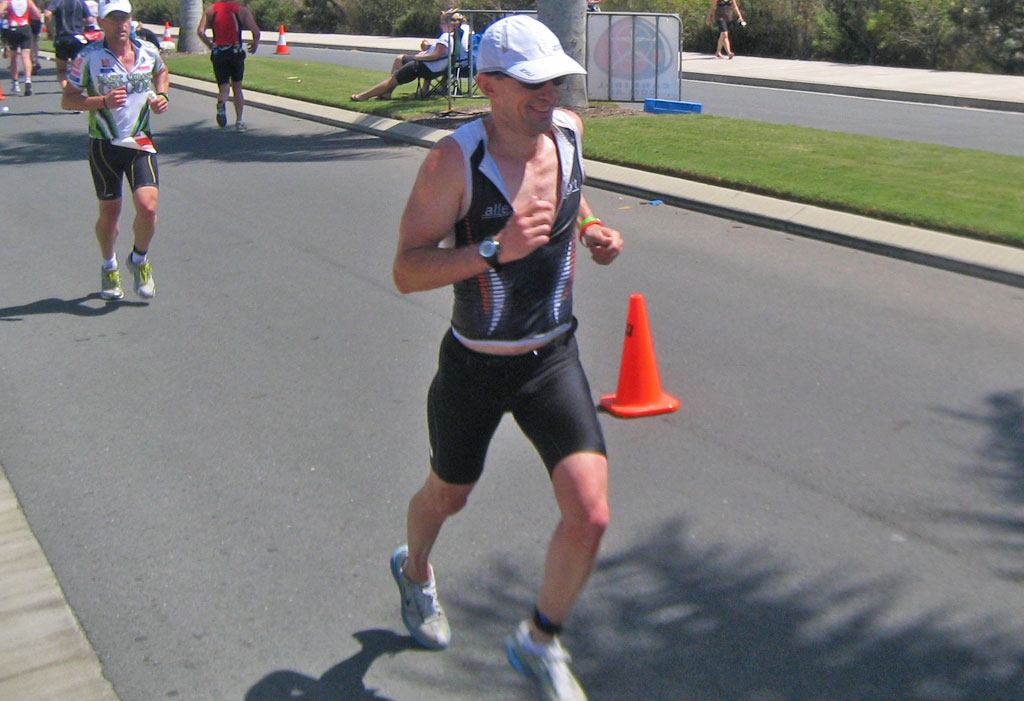
A few running related questions that I get asked frequently by athletes in my face to face coached squad or via distance and has been up for discussion at a Noosa training camp in the past as well. ‘Do you recommend run training at night or in the morning? I often run in the morning because of time commitments, but I actually always feel better in the evening when I run – so would prefer that’ The best time of day to run is a long-standing debate among runners and exercise experts. It is actually not a coincidence that you do feel better running of an evening as the research indicates that the optimal time to exercise is when your body temperature is at its highest, which, for most people is the late afternoon, between 4 p.m. to 5 p.m. Other studies confirm that exercisers perform better on physical performance tests between 4 and 7 p.m. Like many athletes, fitting training time in around a busy work and family life find it most practical to run in the morning. If that is your window and if you miss that window then perhaps that is the training gone for the day. You may be more motivated to get that run in at the start of the day and adapting to the morning time slot can also happen over time plus if you are training for morning races (most are early starts) your body is used to running at that time. You'll also get accustomed to the routine of wake up, drink, eat something light then run and come race day it will feel like normal so your runs in a morning are really practice for the race day routine. Exercising in the evening may be better for the on the day training performance and higher oxygen uptake but can lead to not as good a sleep at night with a higher evening Heart rate then if you ran that morning. It comes down to your preference and needs as far as time commitments. Mixing up your runs may be the key. Harder paced runs may be better for the afternoon for more blood flow and oxygenated muscles and longer runs for the mornings. The main thing is to get your run in whether it be am or pm at the end of the day. The next is to do with obtaining a faster and more efficient...

Off Season Tips and Tricks to Stay in touch and get ready to be your best for next season – By Nick Croft*
Now we are into the off season, the question for some athletes possibly new to triathlon - is where to from here and what does one do in order to keep the momentum and fitness going that you have worked so hard all season to achieve?...

Rolling with the Punches
Everyone is being tested at this time. It is key to roll with what is happening and adapt to your own set of circumstances. Stress and anxiety is high for many. We will come out the other side and those that do keep some focus and aim to stay (mostly) fit and active / moving, even if no races on currently will be in a better headspace then if we let it slide away. There are aspects that we cannot help that will need to rest – such as time in the water and with pools closed all over the world and many places unable to ocean or open water swim (we are very lucky on the Sunshine coast to still be able to swim – and have some of the best swimming beaches in the world at our disposal). Dryland swim time and specific swim exercises and using stretch cords or back yard pool swim tether as has been directly sent to MSC athletes and available here to make use of https://multisportconsultants.com/…/train…/dryland-training/ - can really help. You will come back quite quickly if you stay in touch with swim specific dryland work once the pools reopen. Long term muscle memory will see a retention of that hard work put in and as long as you keep some intensity up you can drop up to two thirds of your training time and still keep in the game. The benefits of just some training has a great positive impact on emotional wellbeing, better sleep patterns, lower stress levels and of course you’ll just feel better with moving, getting the HR up and the blood flowing. Looking beyond the next few weeks and months will also help you to set those goals for next Season / year and help stay motivated. Those on programs are as always, get checked in on weekly / several times a week or more so with ongoing interaction and adapting training / movement to suit the individual as the goal posts have now changed for many. A bit more interaction is encouraged and some have upped this and this is welcomed. We are all in this together and active athlete coaches are all adapting to keep themselves moving as well and rising to the challenge to stay somewhat fit through this time also. Take care everyone and is always good to keep in touch 😉 #beyourbest #trainforhealth ...